

If you’ve had dental implants for a while, it’s completely normal to wonder what happens if things change. Maybe your bite feels different, maybe cleaning has become tricky, or maybe you just want a simpler option as the years go by. Whatever the reason, it helps to know you’ve got choices, and you don’t have to figure them out alone.
Below, we’ll walk through what it really means when dental implants are removed, what the removal process looks like, and when you might be better served by having implants removed and replaced, or replaced with dentures.
Can dental implants be removed and replaced with dentures
Yes, in many situations, dental implants can be removed. It is not common, but it is possible. Implants act like artificial tooth roots, sitting in the jaw where natural teeth used to be. If an implant is no longer healthy or no longer the right fit for you, we can talk about implant removal and what comes next.
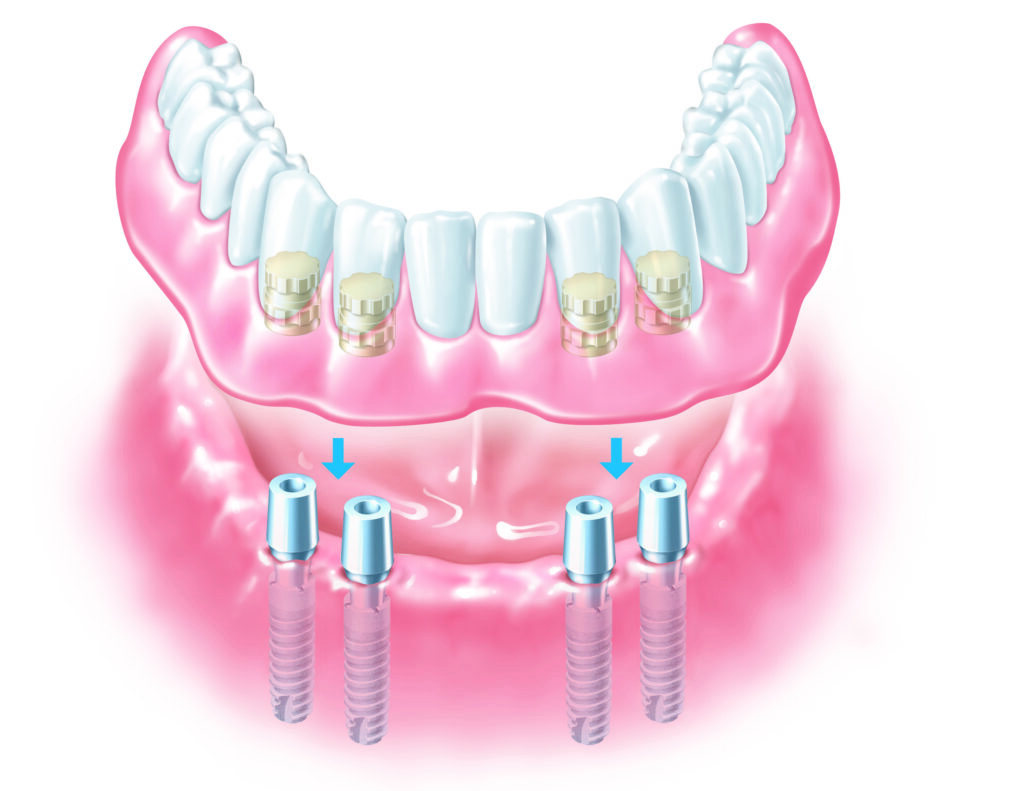
In some cases, implants are removed and replaced with dentures. In others, we keep some implants to stabilise a denture, which can feel far more secure than a traditional plate. Think of it like swapping a wobbly stool for one with sturdy feet. The right plan depends on your oral health, the condition of the surrounding bone, and what you want day to day, like comfortable eating, clear speech, and easy cleaning.
Dentures can be a good tooth replacement option, especially if you want fewer fixed components. They can also work alongside implants, supporting crowns bridges, or implant-retained dentures for added stability.
Removing dental implants problems
Most implant removal is straightforward, but like any surgical procedure, it comes with considerations. The most common reasons include implant failure, peri implantitis (a gum and bone infection around an implant), fracture of the implant, or persistent discomfort.
One concern is bone loss. When an implant is affected by infection or has been under strain for a long time, the surrounding bone can reduce, which may impact what options you have next. Another issue can be damage to nearby structures if removal is complex, although careful planning and imaging help reduce this risk.
Sometimes, a bone graft is recommended either before or after removal, especially if we’re planning future treatment. Picture the jawbone like the foundation of a house. If part of the foundation has crumbled, you may need to rebuild it so whatever comes next sits strong and stable, long term.
Dental implant removal recovery time
Dental implant removal recovery time varies depending on why the implant is coming out and how firmly it has fused to the bone. Some removals are gentle and quick, with soreness for a few days, similar to a tooth extraction. Others, especially where there has been infection or significant bone loss, can take longer to settle.
Typically, you can expect tenderness, mild swelling, and the need for softer foods at first. Many people describe the early days as a “bruised” feeling, like you’ve knocked your jaw while eating something hard. Most return to normal routines quickly, but the gums and bone continue to heal underneath for several weeks.
If a bone graft is placed, healing can take a few months before the next step, because the body needs time to rebuild strength. Throughout the removal process, good home care and follow-up appointments make a big difference to comfort and healing.
Can dental implants be replaced
Often, yes. If an implant has failed, that does not automatically mean you can never have another. The key is understanding the cause of the original problem.
If peri implantitis is involved, we focus on getting the tissues healthy again first. If bite forces contributed, we look at how your teeth meet and whether adjustments are needed. If the implant site has lost bone, a bone graft may be needed to rebuild support.
In some cases, replacing the implant is a great option. In others, a different tooth replacement approach makes more sense, such as a bridge, dentures, or keeping remaining natural teeth supported with other treatments.
It’s a bit like replacing a tyre. You do not just swap it and hope. You check alignment, tread, and the road conditions that caused the issue in the first place.
Can you get dental implants if you have no teeth
Yes, you can get dental implants if you have no teeth. In fact, implants are often used to help people who struggle with loose dentures. Even a small number of implants can anchor a denture so it feels more secure when you chew, laugh, or speak.
If you have been without teeth for a while, the main factor is the amount and quality of bone available. Over time, the jaw can shrink, especially after tooth roots are lost. That is why some people need a bone graft or other preparatory steps before implants can be placed.
The good news is that modern implant dentistry offers several routes, from implant-retained dentures to full-arch solutions. The right choice depends on your comfort goals, your medical history, and what feels manageable for you in everyday life.
Is dental implant removal painful
Is dental implant removal painful? During the procedure, you should not feel pain because we use effective local anaesthetic, and we can discuss sedation options if you feel anxious. Afterwards, most people experience soreness rather than sharp pain, and it is usually well managed with recommended pain relief.
If infection has been present, you might feel more tenderness as the area settles. Many people find the relief of removing a problematic implant is noticeable, like taking off a tight shoe after a long walk. You may feel tired for a day or two, and you might notice swelling, but that typically improves quickly.
If you’re worried, the most helpful step is a calm assessment. Once we can see what’s happening under the surface, we can talk you through the safest, most comfortable way forward.
If you’ve been feeling unsure about an implant, or you’re wondering whether it could be removed and replaced with dentures, book a consultation and let’s map out your options clearly. What would it feel like to eat, smile, and relax again without that nagging “what if” in the background?